
Hassan Musa

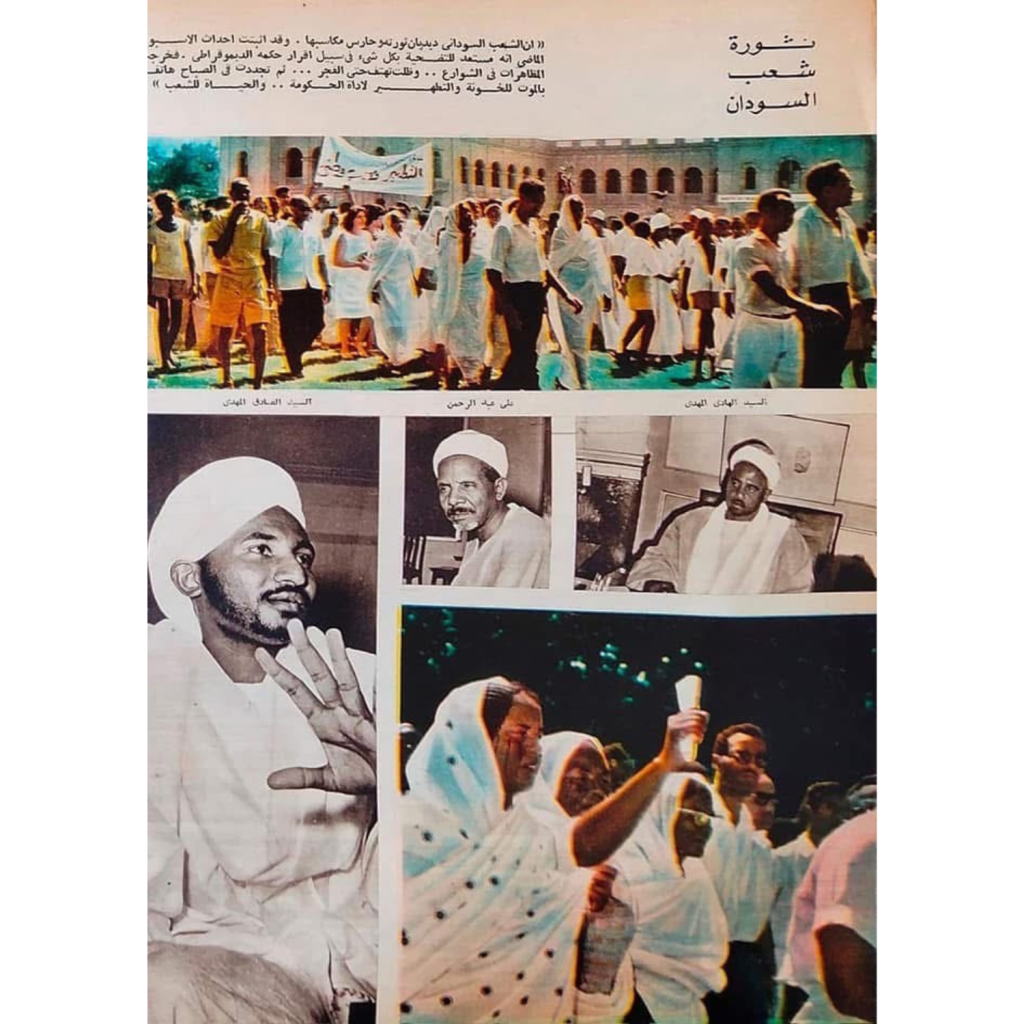
The October Revolution of 1964 was a formative moment in the shaping of my political consciousness as a young boy. I belonged to that group of wide-eyed youths who experienced October’s revolutionary wave not as a political event in the strict sense, but as a sweeping communal spectacle — a collective “happening” that enveloped the entire city. I remember feeling the raw exhilaration of the teargas-laced air during the demonstrations, catching glimpses of family members of all ages, neighbors, my schoolteachers, and respected figures of the town — all sharing the same acrid smoke, the same deafening explosions that signaled mortal danger, and the same spontaneous solidarity among strangers bound only by their presence in that moment.
That “revolution” was an emotional uprising — a collective surge of feeling that used the tools of politics to overturn the symbolic structures that had governed Sudanese society in the years following independence. It is this theatrical quality of the people’s movement through urban space that remains, to me, the most captivating aspect of the October Revolution.
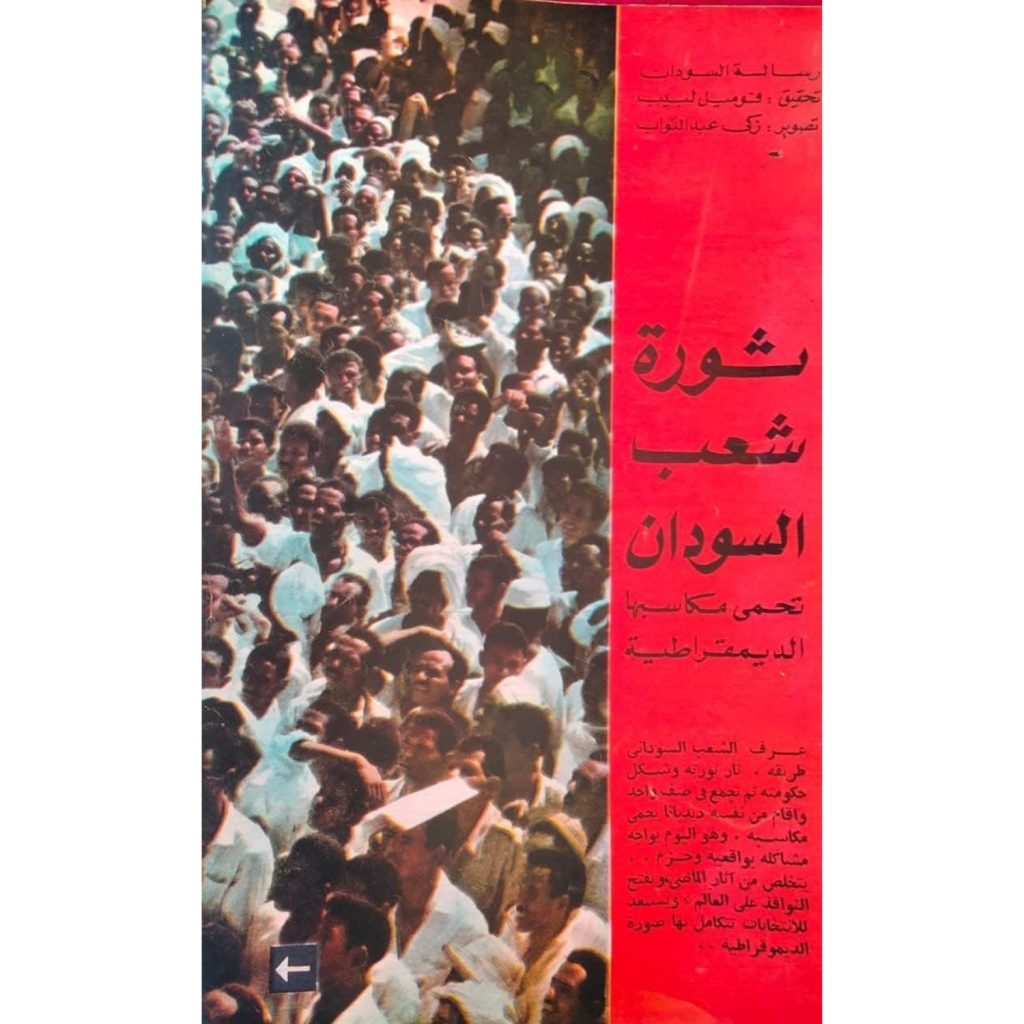
In those days, the city became a grand stage, charged with constant tension — every individual playing their role as though all had rehearsed for this October moment since time immemorial. I even began to gather my thoughts to write about the theatrical dimension of the October Revolution, drawing upon the memories of a curious young boy who followed the protests not for political reasons, but for something more visceral, more mysterious.”
The artist Hassan Musa shared with us his thoughts and insights on October Revolution in length, the full article (only in Arabic) is available in Issue 0 of the Free Sudan Gazette Arabic edition.
About the artist:
Hassan Musa is a Sudanese visual artist based in France, known for his distinctive style that blends painting, collage, Arabic calligraphy, and textile art — often using fabric as his primary medium. His work reinterprets Western visual symbols and raises critical questions about colonialism, power, and cultural identity,

Leave a comment