

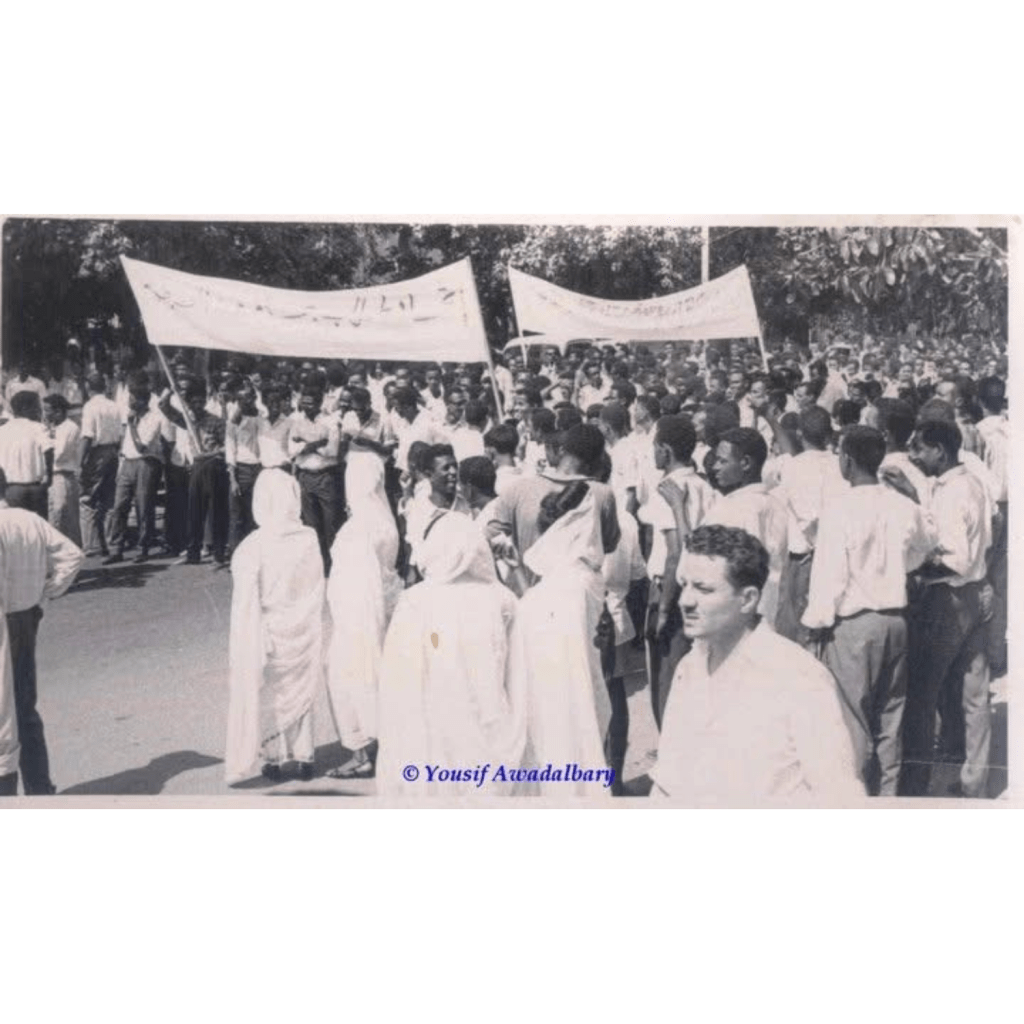
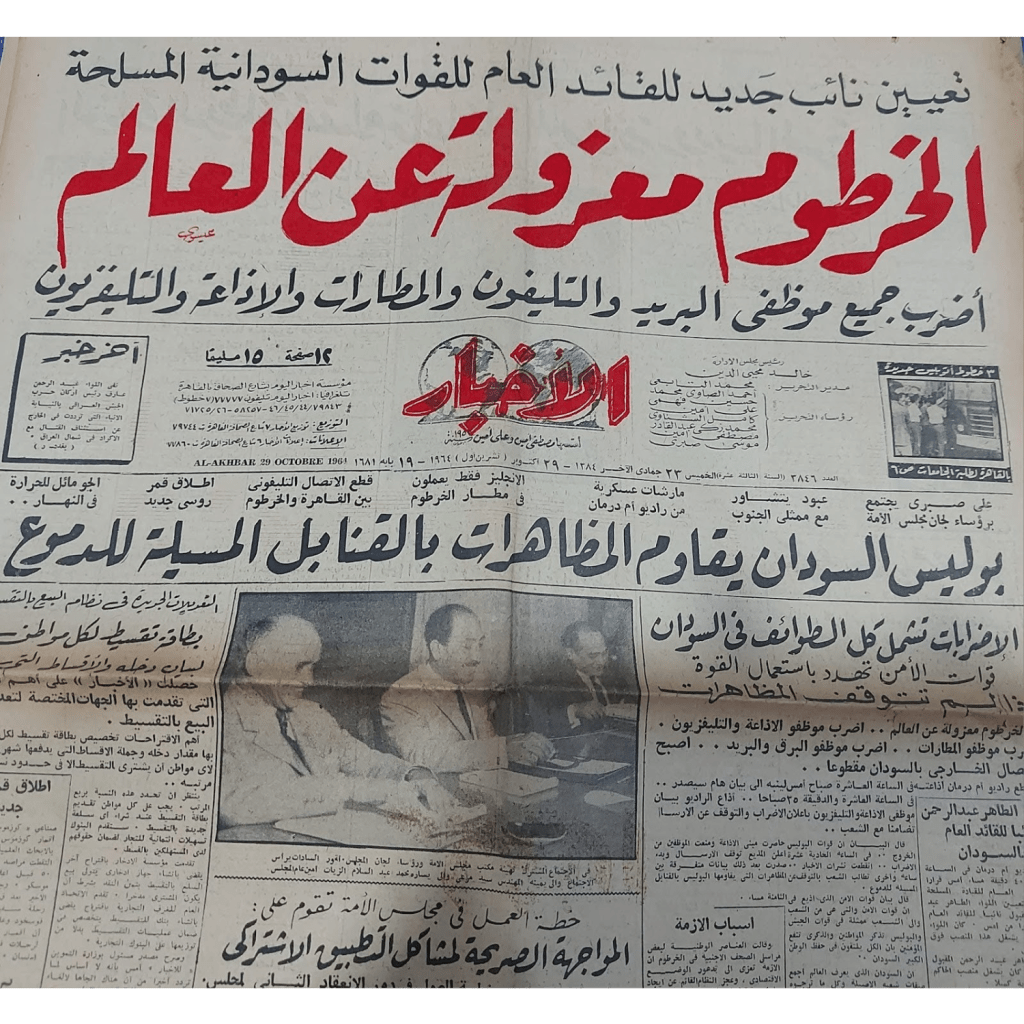
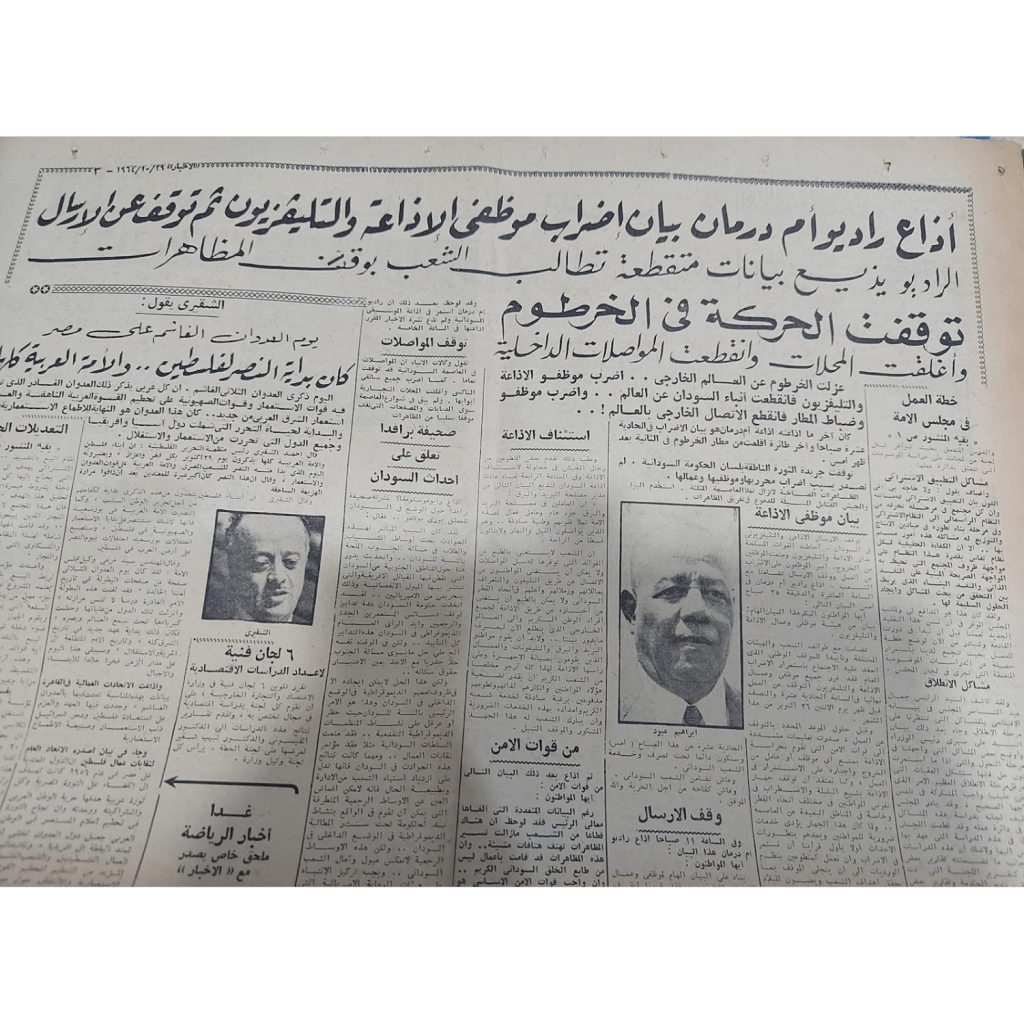
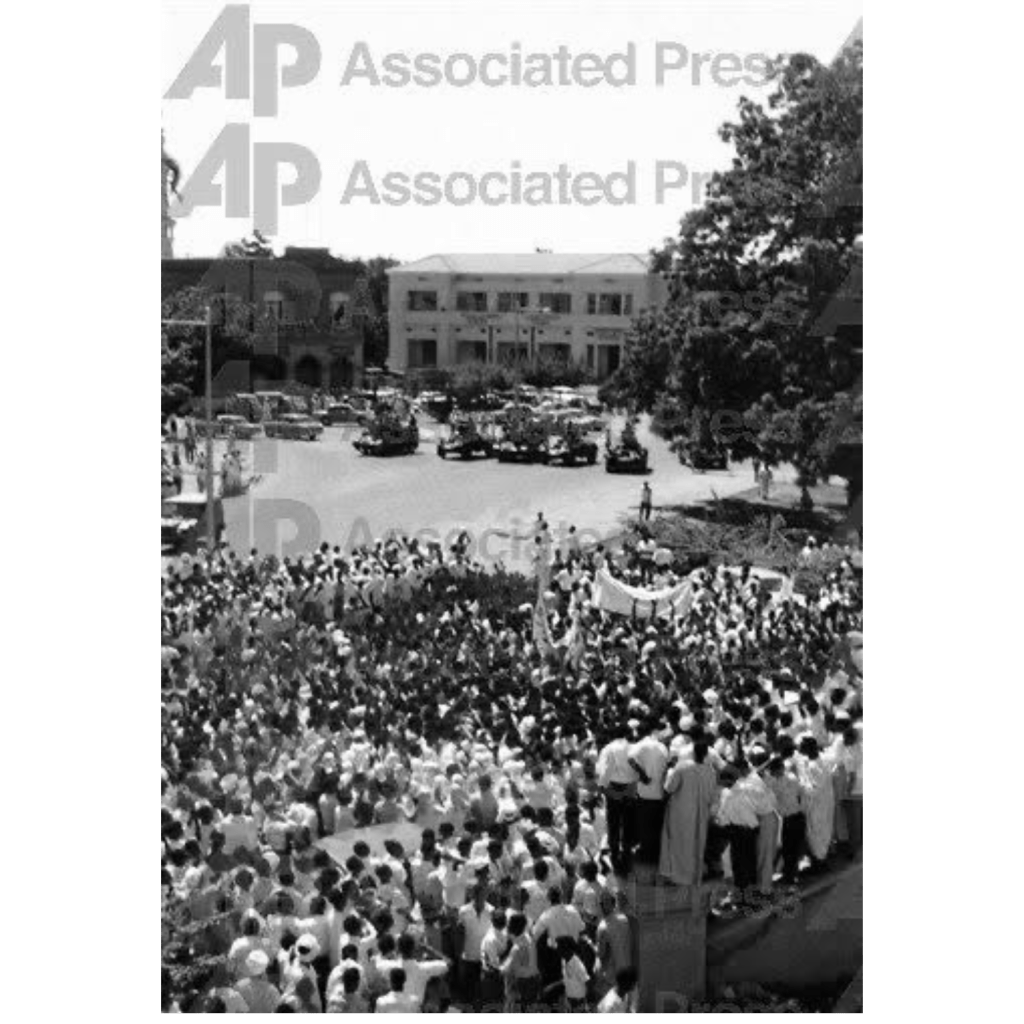
The October 1964 Revolution in Sudan challenged prevailing perceptions of political change in Africa and the Middle East. Many scholars had assumed that regimes in this region could only be overthrown through military coups or hereditary succession, yet the October revolution offered a living example of the collective capacity for action.
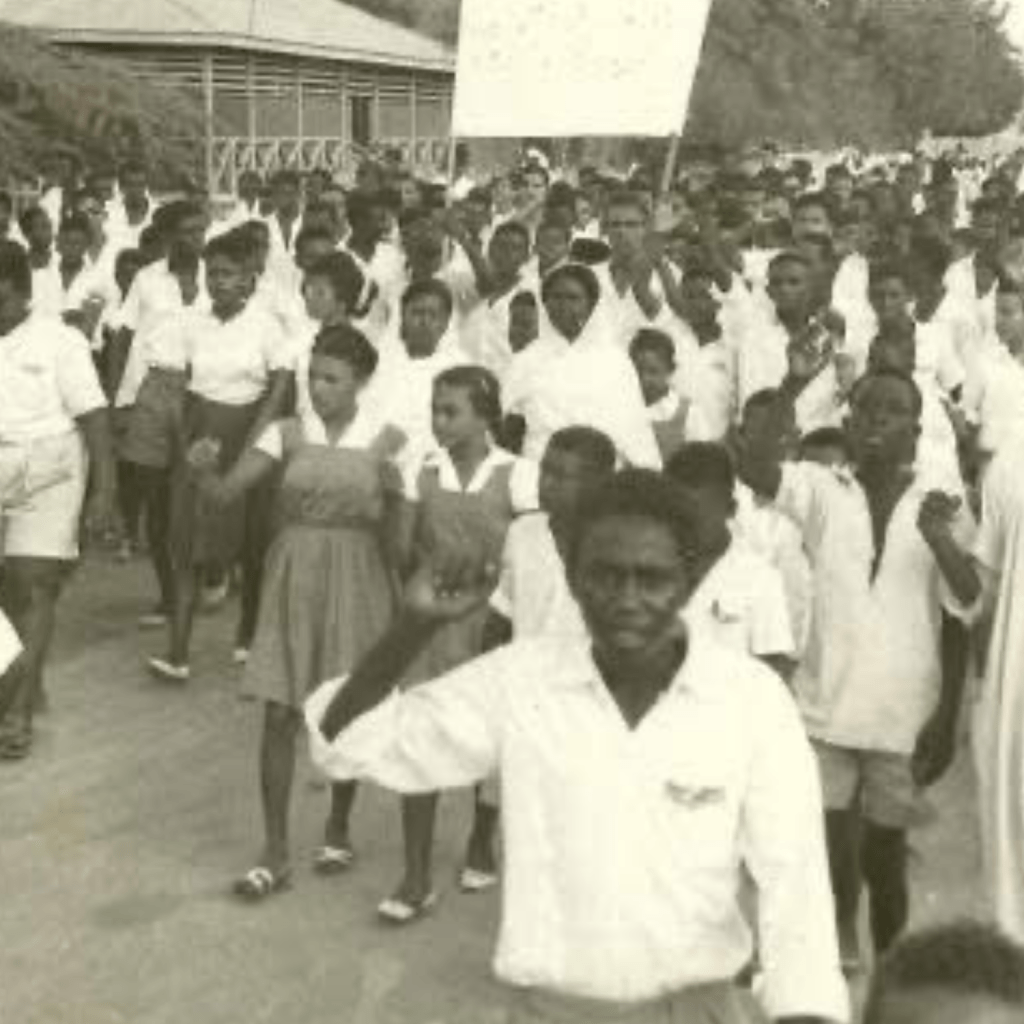
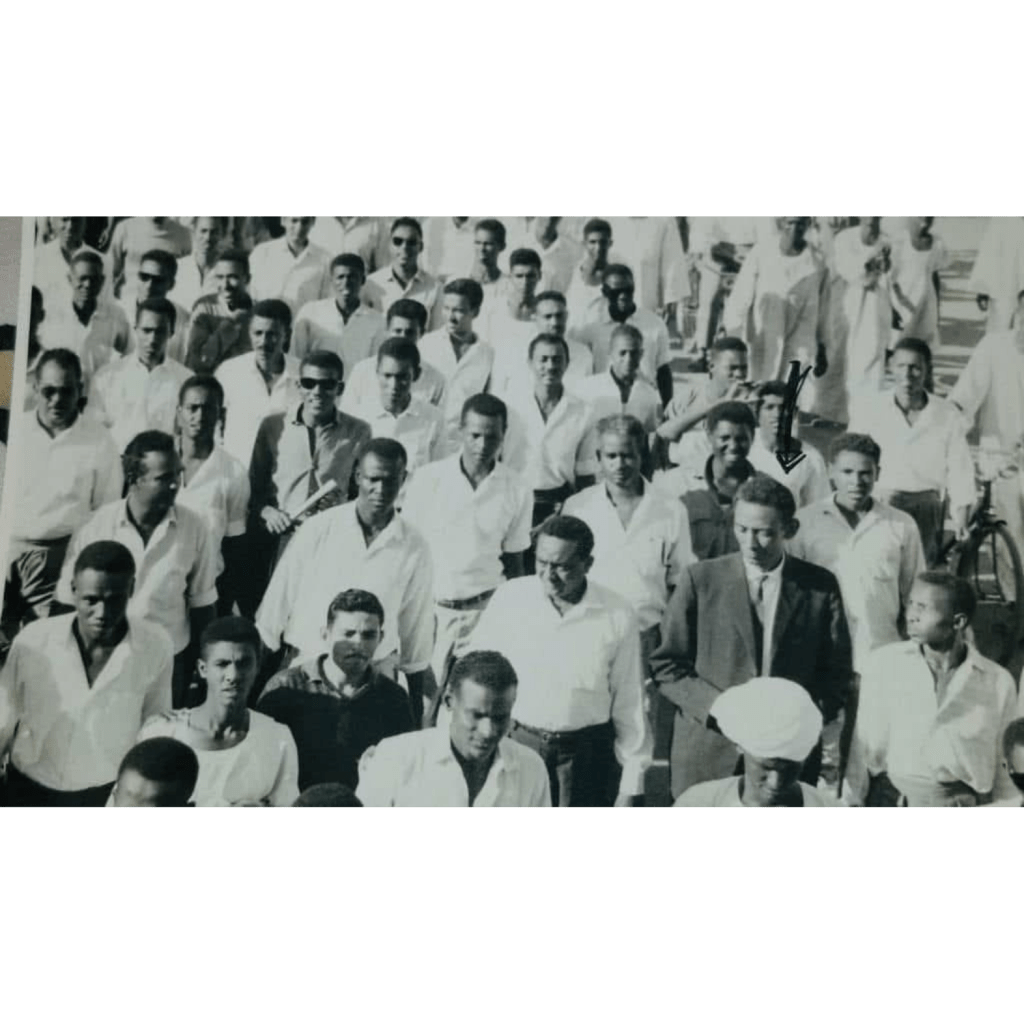
It is perhaps necessary to understand the October Revolution not as a single historical event, but as a continuous process that profoundly reshaped Sudanese society. It gave birth to the concept of the people—as a political subject opposed to sectarianism and tribalism. It was a path in which students, workers, marginalized urban communities, and professionals converged around a shared goal: the overthrow of the Abboud regime, a system that safeguarded colonial capital and remained submissive to imperial domination.
Like the dictatorships that followed, Abboud’s regime survived by offering the nation’s resources and allegiance to imperial powers and their regional agents. Among his most devastating concessions was the 1959 Nile Waters Agreement with Egypt, which permitted the flooding of the city of Halfa, the displacement of its people, and the submersion of the region’s ancient heritage sites beneath the waters of the dam. These external concessions were mirrored internally by repression, displacement, and killing—patterns that reached their tragic peak under the current regime and its proliferating militias, which now besiege El Fasher, the second city after Khartoum to rise up against tyranny.
Yet the lesson of the October revolution endures, despite the siege, the massacres, and the mass displacements that have touched every city and village in Sudan. It remains the lesson of rising again—that even amid ruin, the will of the people can reawaken, reimagine itself, and insist once more on freedom.



Leave a comment